The history of the Kyrgyz Scientific Research Institute of Agriculture
Main stages of the institute's formation, development of scientific areas and strengthening of its material and technical base.
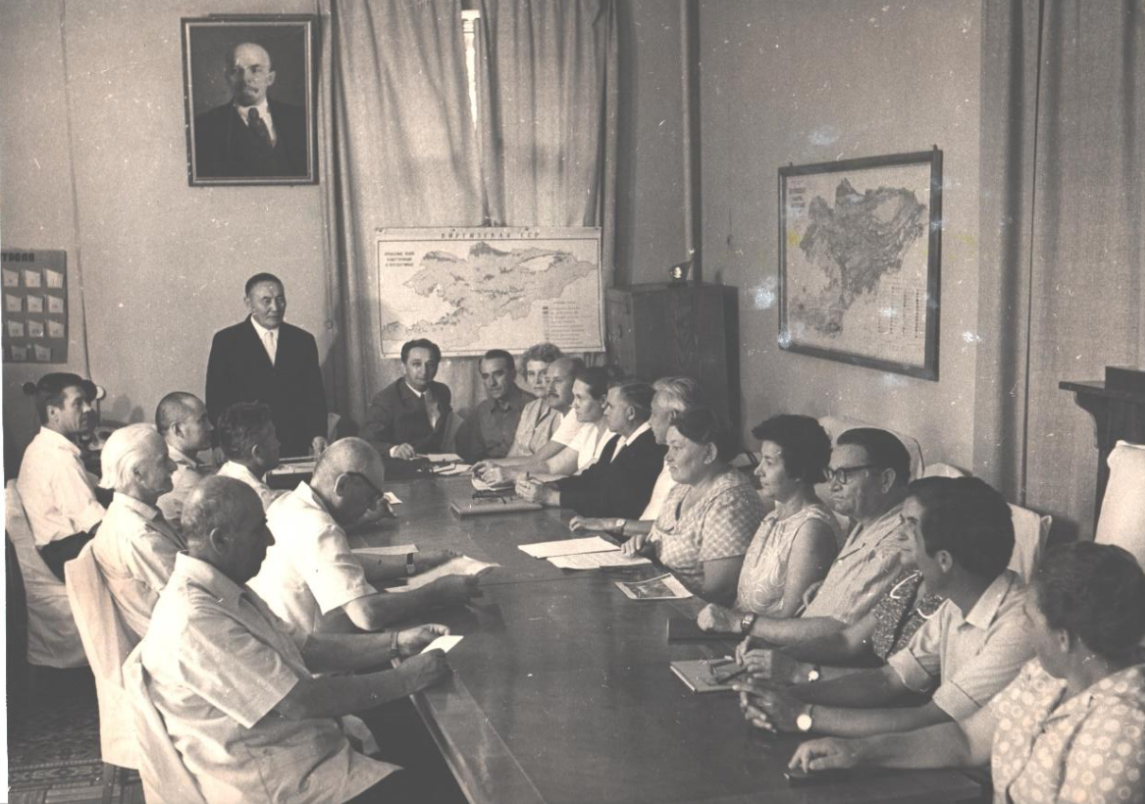
Establishment and organizational formation
The Institute of Agriculture was the largest diversified and comprehensive research institution, with 17 departments including 26 laboratories and sectors.
The institute included experimental farms, the Kyrgyz experimental breeding station for sugar beet, the Kyrgyz experimental station for cotton growing, the Republican Feed Experimental Station, the Issyk-Kul experimental breeding station, Naryn and Burgandinsky support points, seed farms named after the 50th anniversary of the USSR and Kugart.
Development of scientific themes
The scientific work of the institute, its experimental stations and support points in various soil and climatic zones was aimed at solving key problems: the scientific foundations of irrigation and rain-fed agriculture; breeding high-yield, high-quality crop varieties; improving seed production methods; developing promising crop cultivation technology based on complex mechanization; and the economy of Kyrgyzstan's agricultural sector.
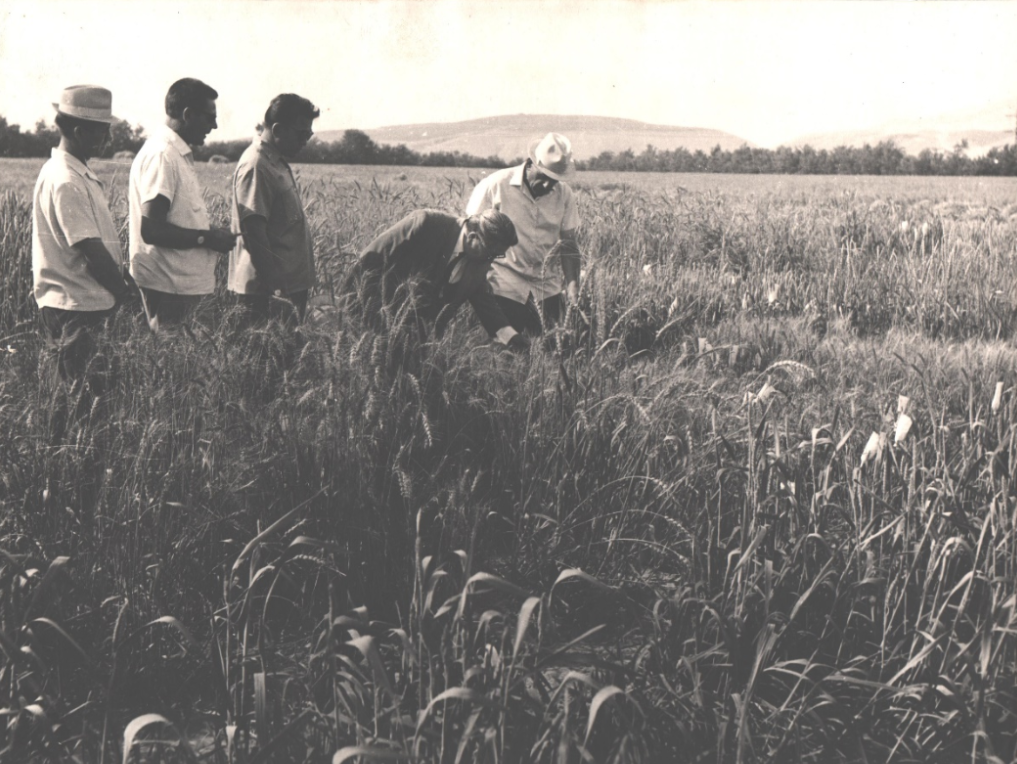
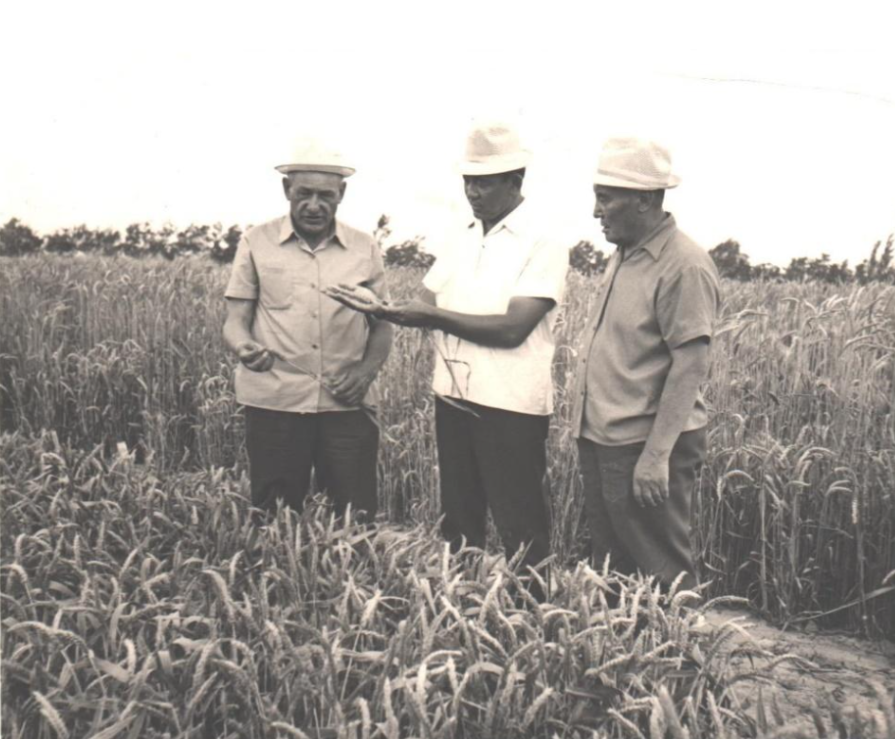
Scale of scientific and production activities
These and other tasks were carried out by a well-coordinated, highly qualified team of scientists from the institute, its experimental stations and support points:
- The institute employed 700 scientific and technical staff, including 341 researchers, of whom 99 were candidates and doctors of sciences.
- Recommendations were developed for managing typical farms in the main agricultural zones of the republic.
- Scientific and production activities covered 135,000 hectares, including 35,000 hectares of arable land, about half of which was irrigated.
- Orchards and vineyards occupied 1,100 hectares, while the remaining land was occupied by hayfields and pastures.
- Experimental stations and seed farms annually produced about 80,000 tons of elite and first-reproduction grain seeds for collective and state farms.
- They also produced over 5,000 tons of maize seed, 6,000 tons of seed potatoes, 2,000 tons of perennial grass seeds, 400 tons of vegetable seeds, all elite sugar beet seeds, and 50-60 thousand fruit and grape seedlings.